Melting of Arctic sea ice is releasing harmful chemicals, study
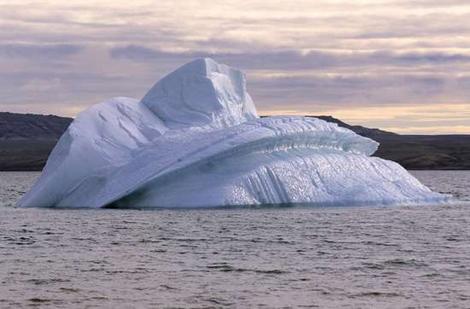 According to a new study, the melting of Arctic sea ice and snow due to global warming is releasing harmful chemicals that were until now trapped in the ice and cold water.
The "Dirty Dozen" chemicals, were used extensively as insecticides and pesticides before being banned in 2001. The researchers warn that the releasing of these chemicals could "undermine global efforts to reduce environmental and human exposure to them".
Such chemicals have tough molecules and take a lot of time to break down and they also pass up the food chain and threaten fertility in higher species. These chemicals also easily transit from soil and water to the atmosphere due to changes in the temperature.
The researchers looked at atmospheric concentrations of three chemicals -- DDT, HCH and cis- chlordane recorded between 1993 and 2009 at Norway's Svalbard Islands and at Artic area in Canada.
They found downward trend in primary emissions after they were banned, however when they analyzed with simulation of the effect of global warming on concentrations of these chemicals. The "Dirty Dozen" chemicals were formerly known as persistent organic pollutants (POPs).
"A wide range of POPs have been remobilized into the Arctic atmosphere over the past two decades as a result of climate change," said the study, led by Jianmin Ma of the agency Environment Canada in Toronto.
TopNews Hindi
- ब्लूस्टोन ज्वेलरी एंड लाइफस्टाइल (BlueStone Jewellery) Share Price Target Rs 662: BOB Capital Market
- वैभव सूर्यवंशी के 10 वर्षीय भाई आशीर्वाद सूर्यवंशी की समस्तीपुर में आक्रामक पारी
- जिंदल स्टेनलेस (Jindal Stainless) Share Price Target Rs 821: प्रभुदास लीलाधर शेयर रिसर्च
- प्रभुदास लीलाधर की Cera Sanitaryware पर ‘BUY’ रेटिंग, Share Price Target Rs 7,429
- आज का मौसम 29 मई: 16 राज्यों में तूफानी बारिश का अलर्ट, दिल्ली में राहत की उम्मीद लेकिन मानसून अभी दूर

