United States
 British Prime Minister Gordon Brown on Friday endorsed President George W Bush's 700-billion-dollar plan designed to rescue the US financial sector and stave off further turmoil in global markets.
 Washington - US stocks were mixed Friday as investors awaited congressional approval of a 700-billion-dollar financial rescue plan.
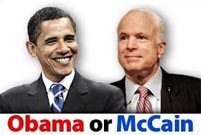 Democrat Barack Obama and Republican John McCain began their first presidential debate Friday night in a discussion that was largely expected to focus on foreign policy.
 The US House of Representatives held off Friday from voting on a White House plan that would allow the United States to sell nuclear material and civilian nuclear technology to India.
TopNews Hindi
- Karuppu, Parasakthi, Thaai Kizhavi, Blast and Kara Among Best Tamil Movies for 2026
- Anupama, YRKKH, Vasudha, Tum Se Tum Tak: सबसे ज़्यादा देखे जाने वाले धारावाहिक
- 2026 FIFA World Cup Current Rankings and Betting Odds for Sports Betting Fans
- JEE Main 2026: Exam Dates, Eligibility, Syllabus जेईई मेन 2026 परीक्षा की तारीखें, योग्यता, सिलेबस
- Geojit ने Apollo Hospitals पर BUY कॉल दोहराया, Share Price Target Rs. 9,587

