Indian stock markets plunged sharply as the global credit crisis deteriorated.
After a week of tumult, the US government has finally cleared $700 billion bailout package on Friday.
Despite receiving other positive news such as marginally fall of inflation figure, reduction in fuel prices, the Sensex and Nifty are testing their new lows.
Real estate, metal, consumer durables, power, oil & gas stocks led the declining charts.
Today, the 30-share index BSE Sensex opened at 12,284.49, down 241.83 points.
The Sensex fell down on the back of global worries. It slipped below 12,000 level and also touched an intra-day low of 11,936.84 during the afternoon trades because of heavy selling action witnessed across board.
Taipei - Taiwan stocks fell more than 3 per cent by mid-morning Monday as investors worried about the global economic slump.
The Taiex dropped 176.67 points, or 3.08 per cent, to 5,565.56 three hours into trading.
"Major Asian shares dived today because, despite the passing of the 700-billion-US-dollar rescue package in the US Congress, many Americans don't think the package can solve all of America's economic problems," said Chiu Hsin-lin, executive vice president of the Industrial Bank of Taiwan Securities.
Tokyo - Japan's key Nikkei 225 Stock Average fell to a four-year low Monday on worries about the financial crisis, despite US Congressional approval of a Wall Street bail-out.
The benchmark Nikkei index ended the morning trading at 10,544.33, down 393.81 points, or 3.60 per cent.
The broader Topix index of all first-section issues also fell 42.44 points, or 4.05 per cent, to 1,005.53.
It is the first trading day in Tokyo since the US Lower House approved Friday, after tough negotiations, the 700-billion-dollar rescue package for the financial sector.
Sydney - Australian stocks lost ground at the opening bell Monday following the selloff last week on Wall Street.
The ASX 200 gave up 107 points, or 2.2 per cent, in the first hour of trading to 4,587.
Shares fell across the board, with mining stocks hit hardest because the financial crisis is slowing economies around the world and crimping demand for raw materials.
 deteriorated.
 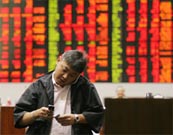 Philippine shares dr
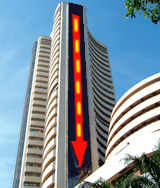 12,000 level and also touched an intra-day low of 11,936.84 during the afternoon trades because of heavy selling action witnessed across board.
  Taiwan stocks fell more than 3 per cent by mid-morning Monday as investors worried about the global economic slump.
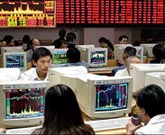 Japan's key Nikkei 225 Stock Average fell to a four-year low Monday on worries about the financial crisis, despite US Congressional approval of a Wall Street bail-out.
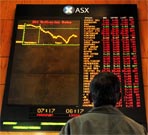 Australian stocks lost ground at the opening bell Monday following the selloff last week on Wall Street.
