Debate on Kirkuk again delays vote on Iraqi election law
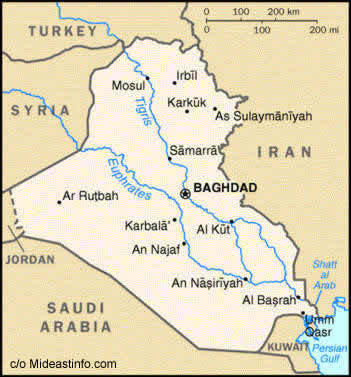 Baghdad - The Iraqi parliament on Wednesday once again postponed voting on a new election law, as lawmakers failed to reach an agreement on voting in the disputed northern Iraqi city of Kirkuk.
Many Iraqi Kurds hope to make the city, with its nearby oil fields, the capital of a future independent state. Iraqi Arab and Turkmen politicians regard the city and the surrounding province of al-Tamim as integral parts of Iraq.
The parliament resolved to meet on Thursday for another session on a law to cover parliamentary elections now scheduled for January.
The dispute - which Iraqi Prime Minister Nuri al-Maliki has called "the most important" facing Iraq today, and which Kurdish President Massoud Barzani has said could spark a civil war if not peacefully resolved - has proved so thorny that Iraqi lawmakers have left Kirkuk and al-Tamim out of previous rounds of voting since the 2003 US-led invasion of the country.
Tensions were high in the region on Wednesday. Iraqi soldiers moved into the disputed area of Daquq, 45 kilometres to the south of Kirkuk, Amir Khawa Karam, the head of the local council, told the German Press Agency dpa.
Karam, a politician from the Patriotic Union of Kurdistan, one of the partners in the Kurdish Regional Government in the semi-autonomous Kurdish region to the north, said the soldiers had told Kurdish Peshmerga militias to leave the area.
"The Iraqi army searched the Kurdish villages and told the Peshmergas to leave, despite the fact that the Peshmergas entered the area with the consent (of the local government), and the Iraqi army entered the area without our agreement," Karam told dpa.
"We will not accept any form of interference from ... the Iraqi army in the administrative affairs of the region of Daquq," he said.
Last week, the parliament sent the matter to Iraq's Supreme Political Council for National Security, a body comprised of Iraq's top politicians from across ethnic and sectarian lines, after failing to reach an agreement on its own.
Kurdish and Arab lawmakers say the debate has hinged on voter registration rolls in the city.
Arab and Turkmen lawmakers look with suspicion at a dramatic increase in Kurdish voters in the city and want the rolls examined. Kurdish lawmakers have said that they would support such a measure if the voting rolls from other provinces were also examined. (dpa)
TopNews Hindi
- Karuppu, Parasakthi, Thaai Kizhavi, Blast and Kara Among Best Tamil Movies for 2026
- Anupama, YRKKH, Vasudha, Tum Se Tum Tak: सबसे ज़्यादा देखे जाने वाले धारावाहिक
- 2026 FIFA World Cup Current Rankings and Betting Odds for Sports Betting Fans
- JEE Main 2026: Exam Dates, Eligibility, Syllabus जेईई मेन 2026 परीक्षा की तारीखें, योग्यता, सिलेबस
- Geojit ने Apollo Hospitals पर BUY कॉल दोहराया, Share Price Target Rs. 9,587

