Greek prime minister wins confidence vote on tough economic reforms
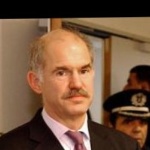 Athens - Greece's newly elected Prime Minister George Papandreou early Monday won his first vote of confidence, allowing his government to carry out tough economic reforms.
Following three days of debate, all 160 lawmakers of the ruling Socialist party in Greece's 300-seat parliament voted in favour of the government in an open ballot.
"We have large hidden debts and spending, an unprecedented lack of competitiveness and social insurance funds in a state of penury," Papandreou told parliament.
Papandreou said his government has taken over an economy that is in a state of emergency, requiring a major overhaul of public finances to cut out wasteful spending in order to reign in a ballooning deficit and public debt.
He also promised to stimulate the economy by submitting legislation to help individuals with business start-ups and to cut down on bureaucratic red tape that prohibits many from starting new enterprises.
Faced with high unemployment, Papandreou, whose Socialists won October 4 elections, has promised a new approach to the economic crisis, with a 3-billion-euro (4.5-billion-dollar) stimulus package, heavier taxation of the rich and more aid for the poor.
He said he would keep pre-election promises of above-inflation salary and pension increases, as well as a freeze on rate hikes by public utilities. He did not say where he would find the money to pay for his promises.
The Socialists have to deal with a faltering economy after years of considerable growth, as well as high unemployment and a budget deficit exceeding 10 per cent of gross domestic product (GDP).
Papandreou announced plans to crack down on tax evasion, a stricter control of public finances and a new tax bill to be tabled within the next three months.
He said the country would make a major shift toward the use of renewable energy sources and the exploitation of the Aegean islands for energy purposes.
"Greece will set its sights high, aiming to produce 20 per cent of its energy needs from renewable energy sources by the year 2010," he said.
Papandreou also promised increased spending on education and changes to the system for asylum applications and the reception of immigrants. (dpa)
TopNews Hindi
- FSSAI की शराब कार्रवाई: मैकडॉवेल्स नंबर 1, Old Monk, Antiquity Blue, Royal Challenge पर बैन
- Karuppu, Parasakthi, Thaai Kizhavi, Blast and Kara Among Best Tamil Movies for 2026
- Anupama, YRKKH, Vasudha, Tum Se Tum Tak: सबसे ज़्यादा देखे जाने वाले धारावाहिक
- 2026 FIFA World Cup Current Rankings and Betting Odds for Sports Betting Fans
- JEE Main 2026: Exam Dates, Eligibility, Syllabus जेईई मेन 2026 परीक्षा की तारीखें, योग्यता, सिलेबस

