Bernanke sees "encouraging" stress-test reaction from US banks
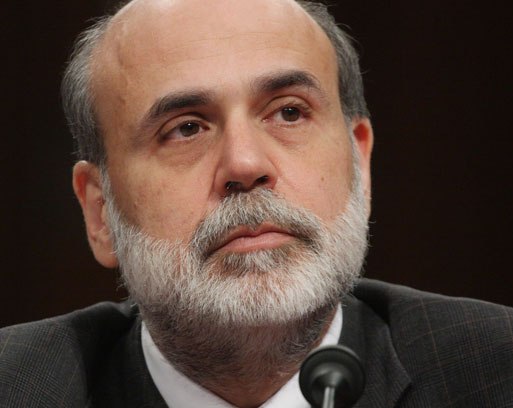 Washington - US Federal Reserve Chairman Ben Bernanke was encouraged Monday by US banks' response to regulatory "stress test" reviews but said that financial firms must better monitor the health of their own balance sheets to avoid another Wall Street collapse.
Banks have agreed to raise the needed capital before a government- imposed November deadline, Bernanke said.
The US regulatory review last week found that 10 of the country's top 19 banks must find a total of 75 billion dollars in extra capital to withstand another possible dip in the US economy, which is already in the middle of its worst recession since the 1930s.
"The initial indications are encouraging," Bernanke said at a Fed conference in Georgia. "Many of the banks are well ahead in finding private-sector options for increasing their common equity, and several have announced plans for new equity issues."
Bank of America Corp, Citigroup Inc, Wells Fargo & Co and Morgan Stanley have all turned to stock offerings to make up their capital shortfall. Few financial firms are expected to turn to the government for additional loans.
Bernanke suggested that the government would continue to put pressure on US banks to keep a closer eye on their own assets. The stress tests, a months-long review that forced on banks by the US government, must be part of a wider effort to get to the bottom of the financial crisis.
"The stress tests should be part of a broader palette of internal stress tests conducted by firms," Bernanke said. "We do not intend that the capital assessments should be taken as all that those firms need to do."
Bernanke defended the review as a realistic assessment of banks' health. US media over the weekend reported that the Fed and Treasury Department had succumbed to protests from banks and demanded less capital than they believed was needed to stabilize the industry.
Bernanke said the capital requirements were "appropriately conservative." He noted that the stress test results would protect banks against higher losses than occurred in the Great Depression.
TopNews Hindi
- Karuppu, Parasakthi, Thaai Kizhavi, Blast and Kara Among Best Tamil Movies for 2026
- Anupama, YRKKH, Vasudha, Tum Se Tum Tak: सबसे ज़्यादा देखे जाने वाले धारावाहिक
- 2026 FIFA World Cup Current Rankings and Betting Odds for Sports Betting Fans
- JEE Main 2026: Exam Dates, Eligibility, Syllabus जेईई मेन 2026 परीक्षा की तारीखें, योग्यता, सिलेबस
- Geojit ने Apollo Hospitals पर BUY कॉल दोहराया, Share Price Target Rs. 9,587

