Early-stage pancreatic cancer detection can be possible with newly found Biomarkers in saliva
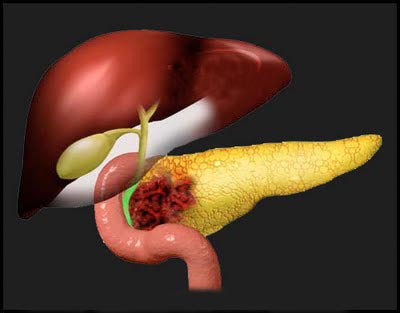 For early-stage detection of pancreatic cancer a team of researchers has found biomarkers in saliva.
In the new study, the multidisciplinary group of investigators from the UCLA School of Dentistry, the David Geffen School of Medicine at UCLA, the UCLA School of Public Health and
UCLA''s Jonsson Comprehensive Cancer Center demonstrated the usefulness of salivary diagnostics in the effort to find and fight the disease.
The journal Gastroenterology published the results of the study.
Making it difficult to fight, pancreatic cancer produces its typical symptoms - abdominal pain and jaundice - only in the advanced stage of the disease.
The study's senior investigator, Dr. David Wong, D. M. D., D. M. Sc., UCLA's Felix and Mildred Yip Professor of Dentistry and associate dean of research at the dental school, said," Worldwide
, the prevalence of pancreatic cancer is so high, and the disease is so deadly, that it calls out for a reliable means of early diagnosis," said. "The ability to implement safe, cost-effective,
widespread screening could be the answer to saving thousands of lives each year - and that is what we are after."
In the study, the researchers successfully linked changes in the molecular signatures found in human saliva to the presence of early-stage pancreatic cancer.
Lei Zhang, Ph. D., an assistant researcher at the UCLA School of Dentistry Dental Research Institute and co-first author of the study further added," Our recent findings underscore the
potential for salivary diagnostics to play a pivotal role in the detection of systemic cancers and diseases." said. (With Input from Agencies)
TopNews Hindi
- Geojit ने Apollo Hospitals पर BUY कॉल दोहराया, Share Price Target Rs. 9,587
- ब्लूस्टोन ज्वेलरी एंड लाइफस्टाइल (BlueStone Jewellery) Share Price Target Rs 662: BOB Capital Market
- वैभव सूर्यवंशी के 10 वर्षीय भाई आशीर्वाद सूर्यवंशी की समस्तीपुर में आक्रामक पारी
- जिंदल स्टेनलेस (Jindal Stainless) Share Price Target Rs 821: प्रभुदास लीलाधर शेयर रिसर्च
- प्रभुदास लीलाधर की Cera Sanitaryware पर ‘BUY’ रेटिंग, Share Price Target Rs 7,429

