Research
 Recent study revealed that strained marriage affects health of women more adversely as compared to men. Research team led by Nancy Henry of the University of Utah analyzed data collected from 276 couples who had been married for an average of 20 years in which men and women aged between 40 and 70 years.
  As they say, "it's all in the mind". Probably this is what led some Canadian university researchers to study the brains of people who are religious and those who aren't to find out the truth behind this saying.
 After its review of the popular over-the-counter cough and cold medicines, the Medicines and Healthcare products Regulatory Agency (MHRA) arrived at the conclusion that there was “no robust evidence that these medicines work” in children below 12 years of age.
  According to a new study if you want to lose weight it doesn't matter which diet you choose but what matters is how much or little you eat.
 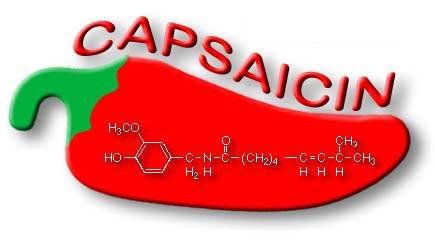 Recent study revealed that capsaicin, the compound that gives chili peppers their fiery flavor can also help in relieving joint and muscle pain. Study indicated that capsaicin flips on nerve-ending receptors that sense both pain and heat.
TopNews Hindi
- Karuppu, Parasakthi, Thaai Kizhavi, Blast and Kara Among Best Tamil Movies for 2026
- Anupama, YRKKH, Vasudha, Tum Se Tum Tak: सबसे ज़्यादा देखे जाने वाले धारावाहिक
- 2026 FIFA World Cup Current Rankings and Betting Odds for Sports Betting Fans
- JEE Main 2026: Exam Dates, Eligibility, Syllabus जेईई मेन 2026 परीक्षा की तारीखें, योग्यता, सिलेबस
- Geojit ने Apollo Hospitals पर BUY कॉल दोहराया, Share Price Target Rs. 9,587

