Science News
 London, Jan 8 : A report in New Scientist has predicted ten extinct creatures that might be brought back to life.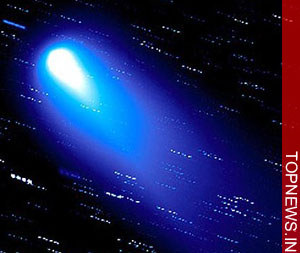
 Washington, Jan 8 : A remarkable new discovery has shown the four-eyed spookfish to be the first vertebrate ever found to use mirrors, rather than lenses, to focus light in its eyes.
 According to the UK researchers, the effects of traumatic stress can be reduced by playing the computer puzzle game Tetris. The PLoS One journal reported that volunteers were exposed to distressing images, with some given the game to play 30 minutes later.
  London, Jan 7: A Chinese expedition is all set to build an inland research base at Dome Argus, or `Dome A', in Antarctica, 4,093 meters above sea level.
TopNews Hindi
- ब्लूस्टोन ज्वेलरी एंड लाइफस्टाइल (BlueStone Jewellery) Share Price Target Rs 662: BOB Capital Market
- वैभव सूर्यवंशी के 10 वर्षीय भाई आशीर्वाद सूर्यवंशी की समस्तीपुर में आक्रामक पारी
- जिंदल स्टेनलेस (Jindal Stainless) Share Price Target Rs 821: प्रभुदास लीलाधर शेयर रिसर्च
- प्रभुदास लीलाधर की Cera Sanitaryware पर ‘BUY’ रेटिंग, Share Price Target Rs 7,429
- आज का मौसम 29 मई: 16 राज्यों में तूफानी बारिश का अलर्ट, दिल्ली में राहत की उम्मीद लेकिन मानसून अभी दूर

