High-lateral prefrontal cortex activity may make you feel better
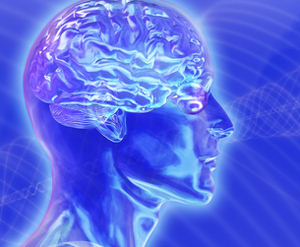 Brain activity may help to predict emotional resiliency, say U. S. researchers.
Activity in the lateral prefrontal cortex may be key to everyday emotional "bounce back" and suggests improved function within this region may improve day-to-day mood, says study lead author Christine Hooker of Harvard University.
The study demonstrates individuals with more neural activity in the lateral prefrontal cortex are less likely to be upset the day after fighting with a partner.
Hooker says in statement, "What we found, as you might expect, was that everybody felt badly on the day of the conflict with their partners. But the day after, people who had high-lateral prefrontal cortex activity felt better and the people who had low-lateral pre-frontal cortex activity continued to feel badly."
Healthy couples in a relationship lasting three months or longer were asked by Hooker and colleagues to look at pictures of their partners with positive, negative or neutral expressions while their brain activity was recorded. Participants were also tested in the laboratory for their broader cognitive control skills, such as impulse control. (With Input from Agencies)
TopNews Hindi
- ब्लूस्टोन ज्वेलरी एंड लाइफस्टाइल (BlueStone Jewellery) Share Price Target Rs 662: BOB Capital Market
- वैभव सूर्यवंशी के 10 वर्षीय भाई आशीर्वाद सूर्यवंशी की समस्तीपुर में आक्रामक पारी
- जिंदल स्टेनलेस (Jindal Stainless) Share Price Target Rs 821: प्रभुदास लीलाधर शेयर रिसर्च
- प्रभुदास लीलाधर की Cera Sanitaryware पर ‘BUY’ रेटिंग, Share Price Target Rs 7,429
- आज का मौसम 29 मई: 16 राज्यों में तूफानी बारिश का अलर्ट, दिल्ली में राहत की उम्मीद लेकिन मानसून अभी दूर

