Just loosing sleep is not the only bad effect of Insomnia
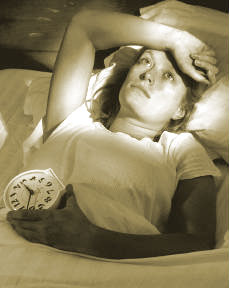 In addition to just sleep, individuals combating insomnia are losing out something else also - they may be missing brain matter.
According to the reports of Discovery News, With the help of brain imaging, researchers have linked chronic insomnia to lower gray matter density in areas that regulate the brain''s ability to make decisions and to rest.
Ellemarijie Altena, lead author of the study from the Netherlands Institute for Neuroscience, said," The findings predict that chronic insomnia sufferers may have compromised capacities to evaluate the affective value of stimuli. This could have consequences for other cognitive processes, notably decision-making."
The study has been published in Biological Psychiatry.
To reach the conclusion, boffins compared the white and gray matter volumes of 24 older, chronic insomnia patients to 13 normal sleepers, and controlled for physical and psychiatric disorders that could also alter brain densities.
Regardless of how long they had suffered from the disorder, severe insomniacs exhibited the most extensive density loss.
However, the researchers are not yet able to pin down whether sleeplessness precedes gray matter loss or the other way around.
Altena, now a research associate at the Cambridge University Department of Clinical Neurosciences, further added," We can''t say what comes first: the lower gray matter density or the insomnia, but (the data) suggests that a low orbitofrontal gray matter density may be a risk factor to develop insomnia. We only investigated older people, so follow-up studies at different ages could hopefully in the future determine what comes first." (With Input from Agencies)
TopNews Hindi
- Geojit ने Apollo Hospitals पर BUY कॉल दोहराया, Share Price Target Rs. 9,587
- ब्लूस्टोन ज्वेलरी एंड लाइफस्टाइल (BlueStone Jewellery) Share Price Target Rs 662: BOB Capital Market
- वैभव सूर्यवंशी के 10 वर्षीय भाई आशीर्वाद सूर्यवंशी की समस्तीपुर में आक्रामक पारी
- जिंदल स्टेनलेस (Jindal Stainless) Share Price Target Rs 821: प्रभुदास लीलाधर शेयर रिसर्च
- प्रभुदास लीलाधर की Cera Sanitaryware पर ‘BUY’ रेटिंग, Share Price Target Rs 7,429

