Popular Cancer Drug ‘Bevacizumab’ Can Cause Kidney Damage
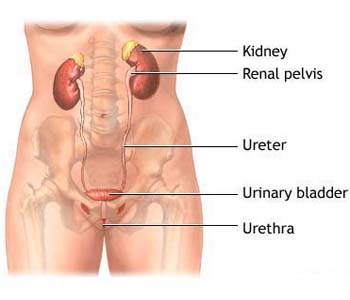 A new study disclosed that the commonly used cancer drug bevacizumab can lead to severe protein loss from the kidney into the urine, which can result in significant kidney damage and can compromise the efficacy of cancer treatment.
The results of the research suggested that doctors should check patients' kidney health when suggesting this drug.
While study showed that the treatment with the chemotherapy drug bevacizumab can cause proteinuria and kidney damage, the total linkedwith the drug and patient risk factors are unknown.
Bevacizumab blockages a protein named vascular endothelial growth factor, thus inhibiting the production of new blood vessels around tumors.
Shenhong Wu MD, PhD (Stony Brook University Cancer Center), Xiaolei Zhu, MD, PhD (Kidney Doctors PLLC), and their fellow workers carried out a review of published randomized, controlled clinical trials to assess the overall risk for severe proteinuria in patients taking bevacizumab. The researchers analyzed data from 16 studies comprising 12,268 patients with a variety of tumors.
Severe proteinuria took place in 2.2% of patients taking bevacizumab. As compared with patients taking chemotherapy alone, patients taking bevacizumab combined with chemotherapy had a 4.79-fold increased risk of developing severe proteinuria and a 7.78-fold increased risk of developing nephrotic syndrome. (Nephrotic syndrome is a group of symptoms including protein in the urine, low blood protein levels, high cholesterol levels, high triglyceride levels, and swelling.)
Patients taking higher dosages of bevacizumab had the greatest risk of developing proteinuria. Also, when the investigators looked at differences by cancer type, they found that patients with kidney cancer had the highest risk of developing proteinuria (10.2 percent incidence).
The study outcome showed that it is particularly vital to check the effects of bevacizumab in patients who have kidney cancer or who are receiving high doses of the drug.
Future studies should investigate how to reduce bevacizumab's kidney-related effects, and physicians should be prepared to treat these potential side effects.
The study results appear in a forthcoming edition of the Journal of the American Society of Nephrology (JASN). (With Inputs from Agencies)
TopNews Hindi
- Karuppu, Parasakthi, Thaai Kizhavi, Blast and Kara Among Best Tamil Movies for 2026
- Anupama, YRKKH, Vasudha, Tum Se Tum Tak: सबसे ज़्यादा देखे जाने वाले धारावाहिक
- 2026 FIFA World Cup Current Rankings and Betting Odds for Sports Betting Fans
- JEE Main 2026: Exam Dates, Eligibility, Syllabus जेईई मेन 2026 परीक्षा की तारीखें, योग्यता, सिलेबस
- Geojit ने Apollo Hospitals पर BUY कॉल दोहराया, Share Price Target Rs. 9,587

