Sri Lankan civil war over, but ethnic conflict is not By Can Merey
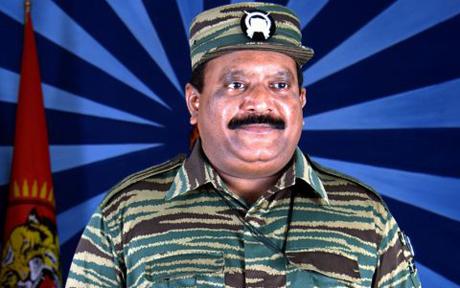 New Delhi - Velupillai Prabhakaran apparently lacked what he had demanded of his subordinates, namely the courage to die. The leader of the Tamil Tigers, or Liberation Tigers of Tamil Eelam (LTTE), did not swallow one of the poison capsules that he and his fighters kept around their necks for hopeless situations.
According to the Sri Lankan army, the 54-year-old rebel chief died in the north-east of the island nation trying to break out of encirclement in an ambulance. Shot dead by soldiers while fleeing the front - a more humiliating demise is hardly imaginable for a man revered almost like a god by his followers.
If the army's claims are true, it wiped out all of the Tamil Tigers' top leaders on Monday. The LTTE has been militarily defeated.
In his struggle to forge an independent state for the Tamil minority in Sri Lanka, Prabhakaran scored some big successes.
The LTTE, which he co-founded in 1976 and led with an iron fist, controlled a quarter of the island at one time. It set up its own administration in the north and east of the country and expanded the small city of Kilinochchi into a capital of sorts.
People who wanted to go to Kilinochchi had to undergo a passport check by uniformed LTTE fighters at a border post at the edge of the rebels' territory. The LTTE had a navy-like force called the Sea Tigers, and acquired small aircraft amid the confusion following the December 2004 tsunami. The Air Tigers later bombed Colombo, the Sri Lankan capital.
Until 2006, the Sri Lankan government held peace negotiations with the rebels, then regarded as virtually invincible. The two sides discussed forming a federation.
A cease-fire was in effect between 2002 and the start of last year, when the government finally revoked it because Prabhakaran had never renounced violence. As the leader of the so-called Black Tigers, he had the dubious honour of being one of the world's pioneers in the use of suicide attackers. And he never budged from his maximum demand: an independent Tamil state at any cost.
During the cease-fire, the LTTE shot and killed Sri Lanka's foreign minister. It mounted numerous attacks that took dozens of lives. It recruited child soldiers. It used civilians as human shields.
From his hiding place in the jungle, Prabhakaran squandered all international sympathy for his cause. He coldbloodedly eliminated adversaries and delivered a bellicose address to the Tamils once a year. The European Union, the United States and other countries put the LTTE on their list of terrorist organizations.
Prabhakaran's death will elicit few public expressions of regret in the West. But Colombo's triumphal rejoicing leaves a sour aftertaste.
According to "conservative" estimates by the United Nations, at least 7,000 civilians have died in the Sri Lankan crossfire since the end of January - more than the number claimed in all of 2008 by the conflicts in Afghanistan and Pakistan combined.
Mahinda Samarasinghe, Sri Lanka's minister of human rights, said the government had rescued all of the civilians held by the LTTE in the war zone without bloodshed.
This statement seems not only cynical, but simply incredible as well. Eyewitness reports leave no doubt that civilians were killed in the army's extensive artillery and aerial bombardment.
The international community's reaction to the humanitarian disaster, which relief organizations have warned of for months, has been halfhearted at best.
The conflict barely affected foreign interests. Western diplomats in Sri Lanka complained that their alarming reports had received little attention back home in their capitals.
Sri Lanka rejected the few foreign attempts to intercede in the conflict. The defence ministry was especially forceful in this regard, calling relief organizations "the LTTE's second line of defence" and foreign correspondents "foot soldiers of the LTTE."
It even reproached the West in general, saying the West viewed Sri Lanka's triumph over terrorism "with envious green eyes."
It will depend on President Mahinda Rajapakse himself whether, as he proclaimed, a era of peace in Sri Lanka has dawned.
"The government must show the Tamil people that the liquidation of the LTTE does not mean the fight for equal and democratic rights is over," remarked Jehan Perera, a political analyst. He added that the government had to demonstrate to the Tamils that it is the guarantor of those rights.
At the moment, however, Colombo is focused on putting Tamils from the war zone into internment camps. There is no sign so far of a political plan to integrate the oppressed minority into the Sinhalese majority.
The nearly 26-year civil war is over, but the ethnic conflict in Sri Lanka is not.(dpa)
TopNews Hindi
- ब्लूस्टोन ज्वेलरी एंड लाइफस्टाइल (BlueStone Jewellery) Share Price Target Rs 662: BOB Capital Market
- वैभव सूर्यवंशी के 10 वर्षीय भाई आशीर्वाद सूर्यवंशी की समस्तीपुर में आक्रामक पारी
- जिंदल स्टेनलेस (Jindal Stainless) Share Price Target Rs 821: प्रभुदास लीलाधर शेयर रिसर्च
- प्रभुदास लीलाधर की Cera Sanitaryware पर ‘BUY’ रेटिंग, Share Price Target Rs 7,429
- आज का मौसम 29 मई: 16 राज्यों में तूफानी बारिश का अलर्ट, दिल्ली में राहत की उम्मीद लेकिन मानसून अभी दूर

