Economy
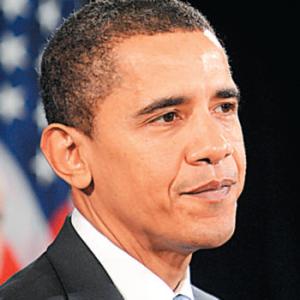 Washington - President Barack Obama met top congressional leaders and economic officials from his administration Wednesday to take the "critical first step" in overhauling a financial regulatory system that has shared blame for the devastating credit crisis.
 Berlin - Germany's postal delivery company Deutsche Post has been hit by losses of 1.69 billion euros (2.16 billion dollars) for 2008, the company reported Wednesday.
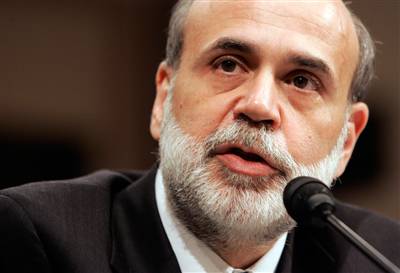 Washington - US central bank head Ben Bernanke on Wednesday rejected the idea that the government plans to nationalize major US banks in danger of collapse, during a second day of testimony before legislators.
 Islamabad - The International Monetary Fund (IMF) has agreed to approve a second tranche of 800 million dollars of its 7.6-billon- dollar program to save Pakistan from defaulting on external payments, a senior official said on Wednesday.
 Brussels - European Union efforts to revive "zombie banks" poisoned by toxic assets and to jointly supervise the bloc's troubled financial sector gained momentum Wednesday as experts in Brussels issued a series of recommendations to member states.
TopNews Hindi
- Geojit ने Apollo Hospitals पर BUY कॉल दोहराया, Share Price Target Rs. 9,587
- ब्लूस्टोन ज्वेलरी एंड लाइफस्टाइल (BlueStone Jewellery) Share Price Target Rs 662: BOB Capital Market
- वैभव सूर्यवंशी के 10 वर्षीय भाई आशीर्वाद सूर्यवंशी की समस्तीपुर में आक्रामक पारी
- जिंदल स्टेनलेस (Jindal Stainless) Share Price Target Rs 821: प्रभुदास लीलाधर शेयर रिसर्च
- प्रभुदास लीलाधर की Cera Sanitaryware पर ‘BUY’ रेटिंग, Share Price Target Rs 7,429

