Washington
 Washington, Sept 17: Older problem gamblers are three to four times more likely to be suicidal than their younger counterparts, says a new study.
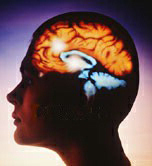 Washington, September 17: Scientists at the Salk Institute for Biological Studies have discovered that the superior colliculus (SC) — a centre in the brain that helps orient the head and eyes towards something seen or heard — may also play a role in analysing the environment, and deciding whether one specific aspect is worth paying closer attention to than another.
 Washington, Sept. 17: Democratic presidential candidate Barack Obama is fine-tuning the most basic element of his campaign to win the White House.
 Washington, September 17: Scientists have warned that Polar bears and other rare species could become extinct, as latest figures show rapid melting of the Artic sea ice, which is at currently at a record low.
 Washington, September 17: Emotions on people’s faces play a significant role in their recognition by others when they meet sometimes in the future, according to a study.
TopNews Hindi
- Karuppu, Parasakthi, Thaai Kizhavi, Blast and Kara Among Best Tamil Movies for 2026
- Anupama, YRKKH, Vasudha, Tum Se Tum Tak: सबसे ज़्यादा देखे जाने वाले धारावाहिक
- 2026 FIFA World Cup Current Rankings and Betting Odds for Sports Betting Fans
- JEE Main 2026: Exam Dates, Eligibility, Syllabus जेईई मेन 2026 परीक्षा की तारीखें, योग्यता, सिलेबस
- Geojit ने Apollo Hospitals पर BUY कॉल दोहराया, Share Price Target Rs. 9,587

