Breast cancer screening is more harmful than good
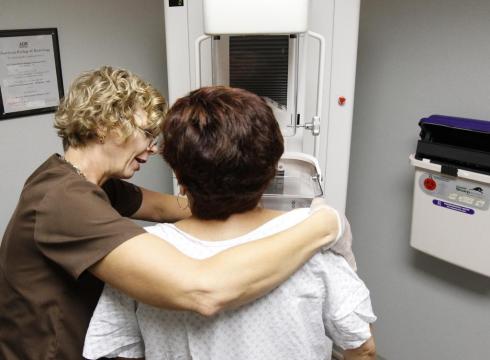 According to a new study the harm caused by Breast cancer screening in the UK is found to be more than the benefits.
Researchers from the University of Southampton said that women may be likely to be harmed by the programme and undergo unnecessary surgery in the first decade of being screened.
James Raftery, professor of health technology assessment at the University led the study and studied data from the 1986 Forrest report that resulted in beginning of the breast cancer screening in the UK. The report had evaluated the benefits of screening in terms of quality adjusted life years.
The report had found that 3,000 QALYs in terms of lives saved over a 20-year period for every 100,000 women, however the number was only about 1,000 in 10 years. The latest study also includes estimates of the risk of women being harmed.
In the new study, Prof Raftery and his colleague Maria Chorozoglou found that it cased abnormal results and over-treatment. They concluded that after considering the harms, the QALY benefit in terms of lives saved was only 1,500 QALYs after 20 years.
Prof Raftery said: "At up to eight years, the harms generally outweigh the benefits but at 20 years there are greater positive benefits. Nevertheless, either way, the benefit to patients is less than was stated in Forrest."
TopNews Hindi
- ब्लूस्टोन ज्वेलरी एंड लाइफस्टाइल (BlueStone Jewellery) Share Price Target Rs 662: BOB Capital Market
- वैभव सूर्यवंशी के 10 वर्षीय भाई आशीर्वाद सूर्यवंशी की समस्तीपुर में आक्रामक पारी
- जिंदल स्टेनलेस (Jindal Stainless) Share Price Target Rs 821: प्रभुदास लीलाधर शेयर रिसर्च
- प्रभुदास लीलाधर की Cera Sanitaryware पर ‘BUY’ रेटिंग, Share Price Target Rs 7,429
- आज का मौसम 29 मई: 16 राज्यों में तूफानी बारिश का अलर्ट, दिल्ली में राहत की उम्मीद लेकिन मानसून अभी दूर

