Computer health games reduces risks of dementia, experts
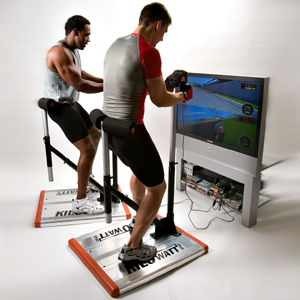 Experts have found that computer games involving exercises, also called exergames among gamers, could help avoid dementia in regular players.
The new study found that the games that combine physical exercise with interactive video game features, help improving mental and physical powers of the payers. People get attracted to such games with features like three-dimensional scenery and competition are likely to play often.
The Cybercycle Study involved 101 volunteers aged 58 to 99 years with an access to an exercise bike. It found that those with a virtual reality display a 23% reduction in progression to mild cognitive impairment compared to the participants who used a bike without display.
Dr Cay Anderson-Hanley, of Union College, Schenectady, New York said, “We found that, for older adults, virtual-reality enhanced interactive exercise - or ‘cybercycling’ two to three times per week for 3 months - yielded greater cognitive benefit and perhaps added protection against mild cognitive impairment than a similar dose of traditional exercise.”
The researchers from New York's Union College studied People’s mental function with planning, memory and problem solving tests before during and after the study involving exercise video games. They claim that games with reality environments and interactive videogame feature offer more benefits than tradition exercise equipments.
TopNews Hindi
- ब्लूस्टोन ज्वेलरी एंड लाइफस्टाइल (BlueStone Jewellery) Share Price Target Rs 662: BOB Capital Market
- वैभव सूर्यवंशी के 10 वर्षीय भाई आशीर्वाद सूर्यवंशी की समस्तीपुर में आक्रामक पारी
- जिंदल स्टेनलेस (Jindal Stainless) Share Price Target Rs 821: प्रभुदास लीलाधर शेयर रिसर्च
- प्रभुदास लीलाधर की Cera Sanitaryware पर ‘BUY’ रेटिंग, Share Price Target Rs 7,429
- आज का मौसम 29 मई: 16 राज्यों में तूफानी बारिश का अलर्ट, दिल्ली में राहत की उम्मीद लेकिन मानसून अभी दूर

