EU needs Arctic role, Swedish future EU presidency says
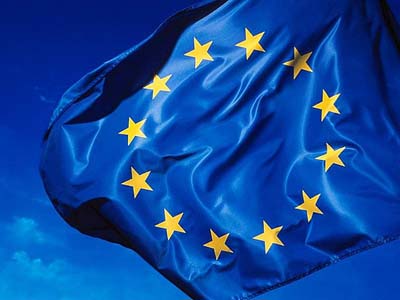 Brussels - The European Union should play a stronger role in the strategically vital High Arctic, especially if Iceland applies for membership, Sweden's foreign minister said Monday, 10 days before the country takes over the EU's rotating presidency.
"We consider it essential that the EU and European Commission (the EU's executive) be active in these areas as well," Carl Bildt told journalists in Brussels.
There are "lots of important Arctic issues" on the international agenda, such as energy supplies, transport routes and climate change, and it is "important to begin the debate" within the EU, Bildt said.
If Iceland applies for EU membership, as it is expected to do before the autumn, it "could over time perhaps give the EU a more direct role in the Arctic than we have today," Bildt said.
The United States, Russia and Canada are all bent on staking a claim to the Arctic's immense mineral reserves, amid predictions that the North Pole could be ice-free in summer within a decade.
Two EU members - Finland and Sweden, which is set to take over the bloc's rotating six-month presidency on July 1 - have land north of the Arctic Circle.
But the EU itself has been blocked from becoming an observer in the main forum of Arctic states, the Arctic Council, in a row with Canada over the EU's ban on seal-fur products.
"They think the commission and the EU don't have sufficient understanding of some of the very peculiar and different issues ... I think that is a criticism which is to a large extent correct," Bildt said.
"When it comes to increasing (EU) awareness of the significance of these issues, so as to be able to make it possible for the commission to be observers ... we will certainly do it," he said.
Observers say that it would strengthen the EU's hand in the Arctic greatly if Iceland were to join the bloc.
Bildt stressed that the Nordic state is already closer to EU membership than any current candidates, since it is already a member of the European Economic Area (EEA), and therefore has brought most of its laws into line with EU ones.
But any decision on membership will have to wait until the commission has made an in-depth analysis of the country's preparedness, he said.(dpa)
TopNews Hindi
- FSSAI की शराब कार्रवाई: मैकडॉवेल्स नंबर 1, Old Monk, Antiquity Blue, Royal Challenge पर बैन
- Karuppu, Parasakthi, Thaai Kizhavi, Blast and Kara Among Best Tamil Movies for 2026
- Anupama, YRKKH, Vasudha, Tum Se Tum Tak: सबसे ज़्यादा देखे जाने वाले धारावाहिक
- 2026 FIFA World Cup Current Rankings and Betting Odds for Sports Betting Fans
- JEE Main 2026: Exam Dates, Eligibility, Syllabus जेईई मेन 2026 परीक्षा की तारीखें, योग्यता, सिलेबस

