Human breast milk contains stem cells
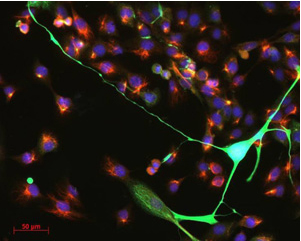 A new study is conducted by Indian scientists on the discovery made two years back by Australian scientist Dr Mark Cregan, who had discovered that human breast milk contains stem cells.
Two Indian doctors, Dr Ramesh Bhonde of the National Centre for Cell Science in Pune and one senior gynaecologist Dr Satish Patki worked together to collect information on the presence of stem cells in breast milk and have recognized the presence of cells. They found that when these cells are kept in isolation, they differentiate into other types of cells like bone cells.
Another doctor, Dr Patki expresses his views that this is the first and foremost study of its own kind in which stem cells have been cut off from breast milk and have been differentiated in to other type of cells like insulin stem cells, bone cells etc. They have strong evidences to believe that stem cells have the capacity to differentiate into different types of cells.
This study reveals that breast milk is not only important source of nutrients for infants but it also provides various other things. Stem cells are those primary cells which can develop many other cells according to the requirement of the body. Human milk constituted different amount of stem cells.
Scientists have analyzed that milk produced in first five days of breast feeding contains colostrums which have 50,000 cells per ml and a newborn gets about 5 million stem cells per kg body weight per day and by the time it's mature milk , the cells goes down to 50 to 100 cells per ml.
Dr Paki also said that these stems cells can be effective for infants who are born with certain problems. He suggests that stem cell therapy when given orally is effective in treating respiratory infections and intestinal infections because in new born babies intestine tract works differently.
It has been forecasted that in coming five years scientists with the help of stem cells found in breast milk will develop a technique which will be useful in research treatment process for spinal injuries, diabetes and even Parkinson's disease, said by the Australian Dr Cregan.
TopNews Hindi
- वैभव सूर्यवंशी के 10 वर्षीय भाई आशीर्वाद सूर्यवंशी की समस्तीपुर में आक्रामक पारी
- जिंदल स्टेनलेस (Jindal Stainless) Share Price Target Rs 821: प्रभुदास लीलाधर शेयर रिसर्च
- प्रभुदास लीलाधर की Cera Sanitaryware पर ‘BUY’ रेटिंग, Share Price Target Rs 7,429
- आज का मौसम 29 मई: 16 राज्यों में तूफानी बारिश का अलर्ट, दिल्ली में राहत की उम्मीद लेकिन मानसून अभी दूर
- सोने और चांदी की कीमतों में मामूली गिरावट (Gold Price Declines Today), 22Karat सोना 1,56,600 रुपये प्रति 10 ग्राम

