Indian Workforce More Prone To Hypertension
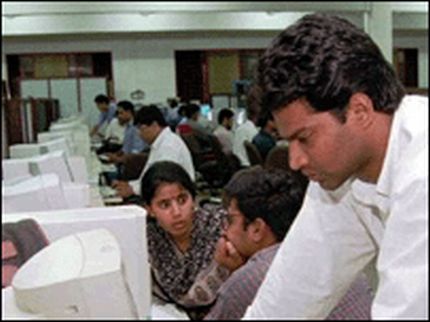 A recent survey has revealed that Indian workforce is getting closer to hypertension owing to globalization and a stressful working environment.
The major contributors to this situation include doubtfulness created by financial disaster in the business sector, fear of job losses and avidity to hold existing jobs by working overtime.
In a combined report, the Associated Chambers of Commerce and Industry of India (Assocham) and the PricewaterhouseCoopers (PWC) stated that around 65 million people were affected by high blood pressure during the last year.
The report further said that the total number of Indians having high blood pressure is likely to see a quantum leap of more than 135 million to hit a figure of 200 million by
2015.
Mr. Sajjan Jindal, Assocham president, said that the worry to defend one's livelihood in this period of altering economic system, with little medical facilities to tackle the situation, was posing a big risk to the working force security.
According to the report, the country (India) is losing its potentially productive years because of growing heart diseases, strokes and diabetes in people aged between of
35-60, one of the highest in the world.
Without proper facilities to lessen tendencies resulting in tensions and hypertensions, lethal diseases accounted for 53% of deaths in India and this was likely to climb to 60% by 2015 and 66% by 2020.
The report also said that the major cause of 4 million deaths during 1990 was chronic diseases and the figure would touch a number of 7 million by 2015.
This increase in deaths would only enhance the national losses, which in financial terms were pegged at $ 90 million between 2005 and 2008.
The report judged that it was likely to soar to $160 million in 2009 and 2015.
The report added that preventing chronic disease needs reducing tobacco consumption, taking a healthier diet and exercising on a regular basis.
Being the second biggest tobacco consumer in the world, India accounted for the maximum number of oral cancer patients.
Remarking that India's total health care expenditure was just about 3% of the gross domestic product (GDP) as against the world average of 9%, the report called for larger involvement of the private segment to save millions of lives.
TopNews Hindi
- FSSAI की शराब कार्रवाई: मैकडॉवेल्स नंबर 1, Old Monk, Antiquity Blue, Royal Challenge पर बैन
- Karuppu, Parasakthi, Thaai Kizhavi, Blast and Kara Among Best Tamil Movies for 2026
- Anupama, YRKKH, Vasudha, Tum Se Tum Tak: सबसे ज़्यादा देखे जाने वाले धारावाहिक
- 2026 FIFA World Cup Current Rankings and Betting Odds for Sports Betting Fans
- JEE Main 2026: Exam Dates, Eligibility, Syllabus जेईई मेन 2026 परीक्षा की तारीखें, योग्यता, सिलेबस

