Researchers Found Key To Bacterial Meningitis!
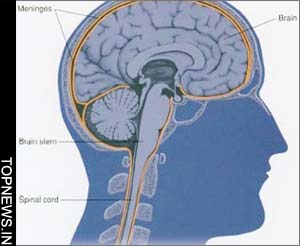 The researchers from the University of Nottingham have finally detected that how the lethal meningococcal bacteria develop in the human body and attack the brain.
They found the technique through which meningococcal bacteria affects the immune system and attacks the brain of the sufferer.
The detection could result in enhanced vaccines and medicines to fight meningitis, and could save the lives of many kids.
Meningitis is a swelling of tissue around the brain and spinal cord.
Study's lead author Dlawer Ala'Aldeen, Professor of Clinical Microbiology and Head of the Molecular Bacteriology and Immunology Group at the Centre for Biomolecular Sciences, and his fellow workers found that the three deadly pathogens hit the specialized filtering system, which causes the penetration of the blood-brain barrier (BBB).
The study researchers said, "This is a significant breakthrough which will help us design novel strategies for the prevention and treatment of bacterial meningitis. Identification of the human receptor and the bacteria (that attacks it) is like identifying a mysterious key and its lock, which will open new doors and pave the way for new discoveries."
They also said that by stopping or altering the pathogens at this filtering system they may be capable of blocking the bacterial meningitis, and offer a therapeutic target for the prevention and treatment of the disease.
Prof Ala'Aldeen said, "The ultimate aim is to save lives by protecting the healthy and curing the sick. We are one step closer to new breakthroughs that would prevent disease or its complications."
"There still is a long way to go before we have the ultimate vaccine and the ultimate treatment of bacterial meningitis."
The results of the study appeared in The Journal of Clinical Investigation.
In Ireland, around 25 people lost their lives because of bacterial meningitis annually, and those who stay alive are often left with after-effects, which includes deafness, blindness, limb-loss and behavioral troubles.
TopNews Hindi
- FSSAI की शराब कार्रवाई: मैकडॉवेल्स नंबर 1, Old Monk, Antiquity Blue, Royal Challenge पर बैन
- Karuppu, Parasakthi, Thaai Kizhavi, Blast and Kara Among Best Tamil Movies for 2026
- Anupama, YRKKH, Vasudha, Tum Se Tum Tak: सबसे ज़्यादा देखे जाने वाले धारावाहिक
- 2026 FIFA World Cup Current Rankings and Betting Odds for Sports Betting Fans
- JEE Main 2026: Exam Dates, Eligibility, Syllabus जेईई मेन 2026 परीक्षा की तारीखें, योग्यता, सिलेबस

