Sex Ratio Improving In Chandigarh, Slums Fare Better
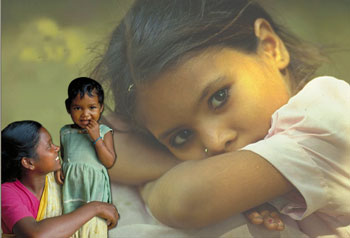 The sex ratio in ‘Chandigarh’, which had been falling of late, is getting better.
As per the survey report issued by the UT Health Department, the child sex ratio (0-6 years), which stood at 845 girls per 1,000 boys during 2001, has gone up to 882.
The overall sex ratio in 2001 was 777.
Dr. Kavita Talwar, District Family Welfare Officer, stated that the survey results had been derived from more than one survey.
Dr. Talwar added that as far as bettering sex ratio was concerned, the slumdogs of the city remained as front-runners.
According to the report, the sex ratio in slum regions was 901 females per 1,000 males as compared to 847 in urban and 853 in rustic regions.
The report was prepared after conducting survey covering Colony No. 5, Sarangpur village, Bapu Dham Colony, Sector 40, SBS Colony, Mauli Complex and Vikas Nagar.
In Colony No. 5, the report disclosed that the total number of females, under the age group of 0-1 year, surpassed males.
It showed that the slums overtook both urban and rural areas.
The exercise covered up 5,100 houses having a population of 20,542.
As per reports, the total number of kids in the age group of 0-6 years was 4,004. In the 0-1 year age group, there were 1044 females as compared to 1000 males. In the age group 1-3 years, the ratio was 957 and for 3-6 years it was 855.
Dr. Manjit Singh Bains, Director Health and Family Welfare, Chandigarh Administration, said that the policy of strict execution of the PC PNDT Act and spreading awareness in the age group that includes future parents has paid off.
The Health department also formed a group of seven physicians under the ICDS scheme with the aim to support its claim of bettering the sex ratio.
The team of doctors visited 370 anganwadis in Chandigarh and probed kids on a range of health parameters. The results disclosed that 34,382 children had been enrolled in these anganwadis.
In the age group of 0-3 years, the total number of children stood at 20,572 (11,037 male and 9,810 female) leaving a sex ratio of 888. There were 13,839 kids under the age group of 3-6 years, male 6,784 and female 7,075, pitching the sex ratio to 1,042.
However, the overall child sex ratio of kids enrolled in anganwaris stood at 947.
TopNews Hindi
- FSSAI की शराब कार्रवाई: मैकडॉवेल्स नंबर 1, Old Monk, Antiquity Blue, Royal Challenge पर बैन
- Karuppu, Parasakthi, Thaai Kizhavi, Blast and Kara Among Best Tamil Movies for 2026
- Anupama, YRKKH, Vasudha, Tum Se Tum Tak: सबसे ज़्यादा देखे जाने वाले धारावाहिक
- 2026 FIFA World Cup Current Rankings and Betting Odds for Sports Betting Fans
- JEE Main 2026: Exam Dates, Eligibility, Syllabus जेईई मेन 2026 परीक्षा की तारीखें, योग्यता, सिलेबस

