Sleep apnea increases risk of premature death
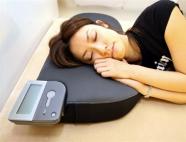 Recent study revealed that middle-aged to elderly men, suffering from severe breathing disorders during sleep, have higher risk of premature death. The risk was as high as 46 percent in the most severe cases.
Research team comprising of lung experts at Johns Hopkins and six other U. S. medical centers analyzed data collected from 6,441 men and women between ages 40 and
70, with mild to severe forms of sleep apnea or none at all.
Around one-in-four men and one-in-10 women suffer from sleep-disordered breathing but four in five are unaware of the problem. In the recent study nearly all participants had moderate to severe sleep apnea.
The study subjects were followed for eight years. Research team measured the apnea-hypopnea index (AHI) of the study subjects. If AHI index, which also monitors blood oxygen levels, is 30 and above it means that a person's breathing during sleep is severely disrupted.
Researchers found study participants having AHI of 30 or above in beginning of the study were one-and-a-half times more likely to die regardless of any other factors.
Lead researcher, Naresh Punjabi of Johns Hopkins University in Baltimore says: "Our study results really raise concern about the potentially harmful effects of sleep apnea."
He added that low blood oxygen levels during sleep are "a particularly worrisome sign," citing the factor as the single biggest predictor of death in people with sleeping disorders.
TopNews Hindi
- FSSAI की शराब कार्रवाई: मैकडॉवेल्स नंबर 1, Old Monk, Antiquity Blue, Royal Challenge पर बैन
- Karuppu, Parasakthi, Thaai Kizhavi, Blast and Kara Among Best Tamil Movies for 2026
- Anupama, YRKKH, Vasudha, Tum Se Tum Tak: सबसे ज़्यादा देखे जाने वाले धारावाहिक
- 2026 FIFA World Cup Current Rankings and Betting Odds for Sports Betting Fans
- JEE Main 2026: Exam Dates, Eligibility, Syllabus जेईई मेन 2026 परीक्षा की तारीखें, योग्यता, सिलेबस

