Technology Sector
 Kuala Lumpur, Nov 15 : The world’s first-ever humanoid robot Asimo is showcasing its abilities in Malaysia during an ongoing road tour until Nov 30.
 London, Nov 15 : Reports indicate that the Mars rover Spirit is still working and is slowly recharging its batteries after a weekend dust storm that caused the craft’s power levels to drop to an all-time low.
 Washington, Nov 15 : Scientists have determined that to understand how life began on Earth, it is important to study the chemistry that preceded early life, as well as studying Mars.
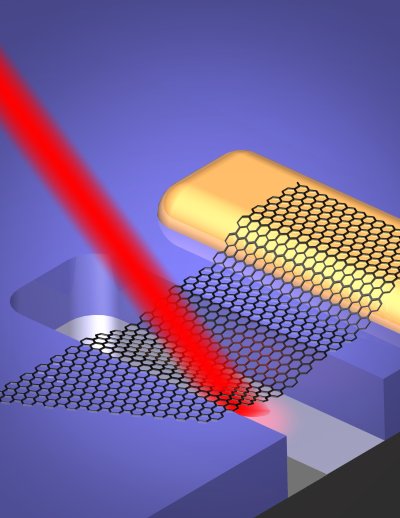 London, Nov 11 : Scientists at UCLA''s California NanoSystems Institute (CNSI) have come up with a new method for the large-scale production of graphene sheets, which are used as nanomaterial.
TopNews Hindi
- Karuppu, Parasakthi, Thaai Kizhavi, Blast and Kara Among Best Tamil Movies for 2026
- Anupama, YRKKH, Vasudha, Tum Se Tum Tak: सबसे ज़्यादा देखे जाने वाले धारावाहिक
- 2026 FIFA World Cup Current Rankings and Betting Odds for Sports Betting Fans
- JEE Main 2026: Exam Dates, Eligibility, Syllabus जेईई मेन 2026 परीक्षा की तारीखें, योग्यता, सिलेबस
- Geojit ने Apollo Hospitals पर BUY कॉल दोहराया, Share Price Target Rs. 9,587

