Technology Sector
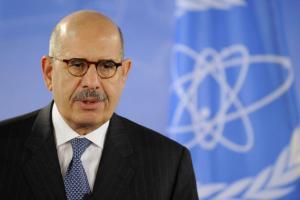 Vienna - International Atomic Energy Agency (IAEA) chief Mohamed ElBaradei called Monday for Arab countries to help resolve the Iranian nuclear spat, which seems more achievable under the new United States administration.
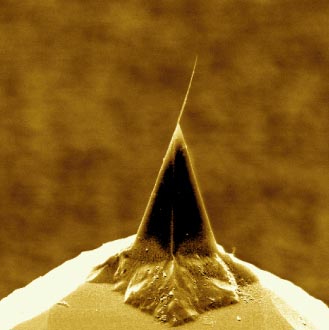 Washington, March 7 : In a new research, chemists at the University of Connecticut, US, have found a way to greatly increase the luminescence efficiency of single-walled carbon nanotubes by 20 percent, a discovery that could have significant applications in medical imaging and other areas.
 Washington, March 7: The problem of email overload in busy organizations and companies can be solved with the aid of a new computer model, say two Indian-origin researchers.
  Vienna - The atomic bombing of Japan and South Africa's past nuclear weapons programme were brought into play Wednesday as diplomats from these two countries entered the last heat to be elected leader of the International Atomic Energy Agency (IAEA).
 Helsinki - The Finnish parliament Wednesday approved controversial legislation allowing employers to track e-mails sent by employees.
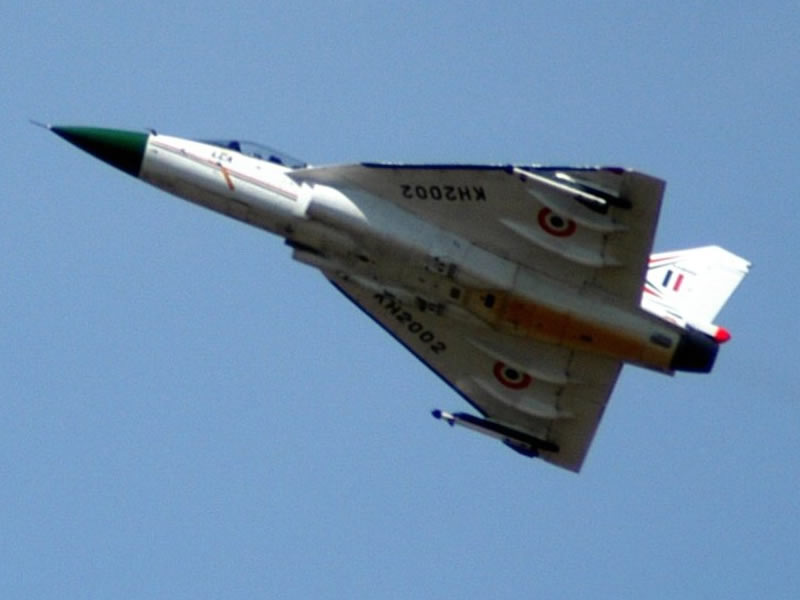 New Delhi, Mar 4 : The second phase of weapon testing on Tejas, India’s indigenous Light Combat Aircraft (LCA), is currently underway from an Air Force base in the north-western sector.
 TopNews Hindi
- आज का मौसम 29 मई: 16 राज्यों में तूफानी बारिश का अलर्ट, दिल्ली में राहत की उम्मीद लेकिन मानसून अभी दूर
- सोने और चांदी की कीमतों में मामूली गिरावट (Gold Price Declines Today), 22Karat सोना 1,56,600 रुपये प्रति 10 ग्राम
- वैभव सूर्यवंशी (Vaibhav Sooryavanshi) की IPL 2026 में राजस्थान रॉयल्स में रिकॉर्ड तोड़ बल्लेबाज़ी
- कल का मौसम: दिल्ली, हरियाणा, राजस्थान, पंजाब और उत्तर प्रदेश में अत्यधिक गर्म मौसम
- आज का मौसम: दिल्ली में भीषण गर्मी का प्रकोप, 45°C के पार पहुंचा पारा

