Archaeologists find oldest evidence of leprosy in India
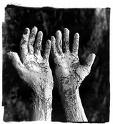 The oldest evidence of leprosy in India has been discovered by archaeologists and researchers. The archaeologists have found 4,000-year-old skeleton of a child, providing evidence of leprosy, in Rajasthan state of India. The researchers and archaeologists from Appalachian State University and Deccan College Pune conducted a study on the skeleton and confirmed the evidence of leprosy.
The team of researchers, including the biological anthropologist Gwen Robbins from Appalachian State University working with a sophomore evolutionary biologist from University of North Carolina at Greensboro, and archaeologists from the Pune-based Deccan College in India confirmed that the skeleton offers the earliest archeological evidence for human infection with Mycobacterium leprae (leprosy bacillus) in the world and the first evidence of Hansen's disease in prehistoric India.
According to Robbins and his colleagues, the skeleton was buried around 2000 B.C. in Balathal in Rajasthan, India – the place (Balathal) was a large agrarian settlement at the margins of the Indus (or Harappan) Civilization.
In the report published in the PLoS One journal, the researchers have stated that their study has revealed the presence of leprosy in the human population by the end of the mature phase of the Indus Civilisation (2000 BC). The study offers enough evidences to support the Sanskrit Atharva Veda, which offers the earliest written reference to the leprosy disease; Sanskrit Atharva Veda was written before the first millennium BC.
TopNews Hindi
- FSSAI की शराब कार्रवाई: मैकडॉवेल्स नंबर 1, Old Monk, Antiquity Blue, Royal Challenge पर बैन
- Karuppu, Parasakthi, Thaai Kizhavi, Blast and Kara Among Best Tamil Movies for 2026
- Anupama, YRKKH, Vasudha, Tum Se Tum Tak: सबसे ज़्यादा देखे जाने वाले धारावाहिक
- 2026 FIFA World Cup Current Rankings and Betting Odds for Sports Betting Fans
- JEE Main 2026: Exam Dates, Eligibility, Syllabus जेईई मेन 2026 परीक्षा की तारीखें, योग्यता, सिलेबस

