Stock Markets
 Tokyo - The Tokyo market closed modestly higher Monday after optimism was dampened by concerns over the spread of swine flu. The benchmark Nikkei 225 Stock Average rose 18.35 points, or 0.21 per cent, to close at 8,726.34.
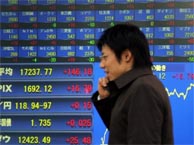 Tokyo - While the Tokyo market ended Monday morning trading higher, tracking Wall Street's rises before the weekend, gains were capped due to concern over the spead of Mexico's swine flu outbreak.
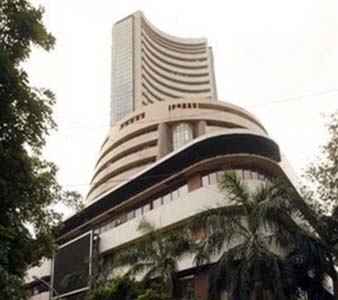 It was another excellent session as the market ended the wek with a good rally today. The Bombay Stock Exchange 30-share index closed on a strong note for second consecutive day, on significant buying across various sectors.
 Mumbai, Apr 24: The Bombay Stock Exchange benchmark Sensex on Friday climbed to a six-month high at 11,329.05.
 Indian Stock Markets opened marginally higher, but later found support on back on strong global cues. The benchmark indices closed on a strong note for the second day led by telecom, capital goods, auto and bank stocks. The Sensex closed 194 points or 1.74% higher at 11,329 and the Nifty rose 1.67% or 57 points to settle at 3,480. The broader indices - CNX Midcap was up 1.68% and BSE Smallcap Index closed 68 points or 1.71%.
TopNews Hindi
- Karuppu, Parasakthi, Thaai Kizhavi, Blast and Kara Among Best Tamil Movies for 2026
- Anupama, YRKKH, Vasudha, Tum Se Tum Tak: सबसे ज़्यादा देखे जाने वाले धारावाहिक
- 2026 FIFA World Cup Current Rankings and Betting Odds for Sports Betting Fans
- JEE Main 2026: Exam Dates, Eligibility, Syllabus जेईई मेन 2026 परीक्षा की तारीखें, योग्यता, सिलेबस
- Geojit ने Apollo Hospitals पर BUY कॉल दोहराया, Share Price Target Rs. 9,587

