Stock Markets
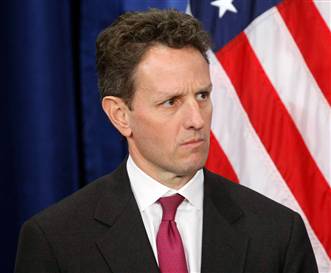 Washington - US markets rallied Tuesday led by financial shares, after Treasury Secretary Timothy Geithner said the "vast majority" of banks now had enough capital to remain afloat and had begun to increase lending to consumers and businesses.
 The BSE benchmark Sensex finally ended the day with small loss, after skipping up and down throughout the trading session on mixed global cues.
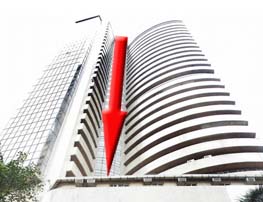 The benchmark indices ended with modest loss and were trading volatile throughout the session. The Sensex closed 81 points lower at 10,898 after hitting an intraday high of 11,068 and low of 10,764. The Nifty was down 12 points to settle at 3,365. It touched an intra-day high of 3,414 and low of 3,309. Among the broader indices the BSE Midcap Index was down 5 points while Smallcap Index shut at up at 17 points. The selling was seen in shares of major banking, capital goods, metal and auto companies and buying was witnessed in select telecom, reality and FMCG sectors. The market breadth was slightly weak and the volumes are on the lower side.
  After opening the day on a negative note after a fall of 0.40% on the previous working day, the 30-share index, BSE Sensex recovered from day’s low and entered the positive terrain on the back of buying interest witnessed in select front line stocks.
 In his report, Nirmal Bang has announced that the immediate short-term support for nifty is at 3,310 – 3,230 region and a fall below this level will put more pressure and nifty can decline upto 3,155 – 3,110 in the coming days.
TopNews Hindi
- Karuppu, Parasakthi, Thaai Kizhavi, Blast and Kara Among Best Tamil Movies for 2026
- Anupama, YRKKH, Vasudha, Tum Se Tum Tak: सबसे ज़्यादा देखे जाने वाले धारावाहिक
- 2026 FIFA World Cup Current Rankings and Betting Odds for Sports Betting Fans
- JEE Main 2026: Exam Dates, Eligibility, Syllabus जेईई मेन 2026 परीक्षा की तारीखें, योग्यता, सिलेबस
- Geojit ने Apollo Hospitals पर BUY कॉल दोहराया, Share Price Target Rs. 9,587

