Science News
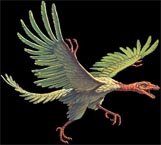 Washington, Jan 14: A new research has suggested that the earliest known bird, Archaeopteryx, had a similar hearing range to the modern emu, which suggests that the 145 million-year-old creature, despite its reptilian teeth and long tail, was more birdlike than reptilian.
 Washington, Jan 14 : Based on a new
  London, Jan 14 : In a new research, scientists have claimed to detect evidence for granite highlands on Venus in data almost two decades old, which suggests that the planet may have once been far more like Earth, with oceans and continents.
 On Monday, it was informed by the Indian Space Research Organisation (ISRO) Chairman G Madhavan Nair that the scientific community in the country has been successful in acquiring complete picture of moon's surface and that too to an extent of five meter resolution and the credit goes to the success of Chandrayaan-1 mission.
 TopNews Hindi
- आज का मौसम 29 मई: 16 राज्यों में तूफानी बारिश का अलर्ट, दिल्ली में राहत की उम्मीद लेकिन मानसून अभी दूर
- सोने और चांदी की कीमतों में मामूली गिरावट (Gold Price Declines Today), 22Karat सोना 1,56,600 रुपये प्रति 10 ग्राम
- वैभव सूर्यवंशी (Vaibhav Sooryavanshi) की IPL 2026 में राजस्थान रॉयल्स में रिकॉर्ड तोड़ बल्लेबाज़ी
- कल का मौसम: दिल्ली, हरियाणा, राजस्थान, पंजाब और उत्तर प्रदेश में अत्यधिक गर्म मौसम
- आज का मौसम: दिल्ली में भीषण गर्मी का प्रकोप, 45°C के पार पहुंचा पारा

