Tel Aviv - Israeli aircraft bombed tunnels under the Gaza-Egyptian border early Wednesday morning, in response to an attack against an Israeli army border patrol Tuesday which killed one soldier, the Israeli military said in a statement.
The statement gave no further details, and there was no word of casualties.
Tel Aviv - A bomb planted by Palestinian militants killed an Israeli soldier Tuesday morning along the Gaza Strip border, sparking Israeli retaliation that killed two Palestinians in the most serious violence since the start of a Gaza ceasefire on January 18.
Israel closed the crossing points into the Gaza Strip "until further notice," an Israeli official said.
Early Wednesday, Israeli forces struck an alleged tunnel complex in southern Gaza near the Rafah crossing into Egypt, Arab media reported citing witnesses.
New York - The United Nations Security Council was urged Tuesday to take on the burden of solving the conflict in the Gaza Strip to make way for reconstruction and relief efforts.
The head of the UN Relief and Works Agency (UNRWA), which cares for millions of uprooted Palestinians, told the council that the challenges it faces go beyond the humanitarian realm.
"They lie in the province of political action," Karen AbuZayd said. "For this reason, it is on this council and its esteemed members that part of the burden of restoring normalcy to Gaza rests."
Beirut - Syrian President Bashar al-Assad said Monday that Israel is not serious about achieving peace in the region at this time, but expressed hope for the future.
"It was obvious that Israel only understands the language of force," Assad said, adding that the Jewish state was not serious about the peace negotiations.
In an exclusive interview with Hezbollah-run television al-Manar, Assad said he sees "hope for compromises in the region and not wars" in the future.
Cairo - Egyptians from across the political spectrum say they are greeting news of US special envoy to the Middle East George Mitchell's planned arrival in Cairo on Tuesday evening with a mixture of skepticism and surprise.
Few here or indeed across the Arab world expected US President Barack Obama to make the Israeli-Palestinian conflict one of his first foreign policy priorities. But fewer still expect any real change in US policy on the issue.
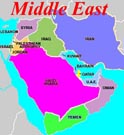 Tel Aviv - Israeli aircraft bombed tunnels under the Gaza-Egyptian border early Wednesday morning, in response to an attack against an Israeli army border patrol Tuesday which killed one soldier, the Israeli military said in a statement.
 Tel Aviv - A bomb planted by Palestinian militants killed an Israeli soldier Tuesday morning along the Gaza Strip border, sparking Israeli retaliation that killed two Palestinians in the most serious violence since the start of a Gaza ceasefire on January 18.
 New York - The United Nations Security Council was urged Tuesday to take on the burden of solving the conflict in the Gaza Strip to make way for reconstruction and relief efforts.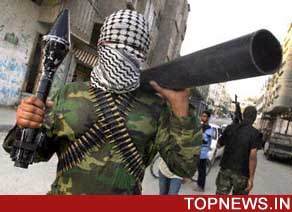
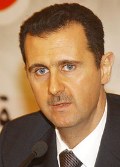 Beirut - Syrian President Bashar al-Assad said Monday that Israel is not serious about achieving peace in the region at this time, but expressed hope for the future.
 Cairo - Egyptians from across the political spectrum say they are greeting news of US special envoy to the Middle East George Mitchell's planned arrival in Cairo on Tuesday evening with a mixture of skepticism and surprise.
