Serbia
 New York - Serbian President Boris Tadic on Monday urged the United Nations to remain in Kosovo and not cut its troops and budget, but the UN said it has drastically reconfigured its presence a year after Kosovo seceded from Belgrade.
 Belgrade - Civilians in Serbia are still in danger from thousands of unexploded cluster bombs almost a decade after NATO bombing of Yugoslavia, local media reported Saturday.
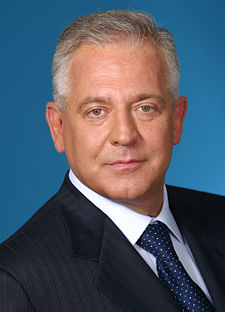 Belgrade - Croatian Prime Minister Ivo Sanader visited Belgrade Friday in a bid to thaw relations which Serbia froze over Zagreb's recognition of Kosovo.
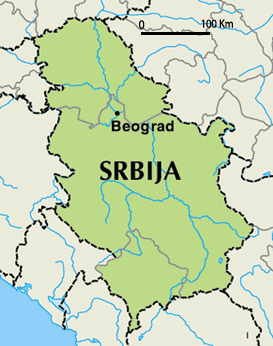 Belgrade - When NATO bombed Serbia in 1999, it wanted to end bloodshed in Kosovo. Cracking Slobodan Milosevic's autocratic regime in the process and paving the way for his fall 18 months later was an added bonus.
TopNews Hindi
- FSSAI की शराब कार्रवाई: मैकडॉवेल्स नंबर 1, Old Monk, Antiquity Blue, Royal Challenge पर बैन
- Karuppu, Parasakthi, Thaai Kizhavi, Blast and Kara Among Best Tamil Movies for 2026
- Anupama, YRKKH, Vasudha, Tum Se Tum Tak: सबसे ज़्यादा देखे जाने वाले धारावाहिक
- 2026 FIFA World Cup Current Rankings and Betting Odds for Sports Betting Fans
- JEE Main 2026: Exam Dates, Eligibility, Syllabus जेईई मेन 2026 परीक्षा की तारीखें, योग्यता, सिलेबस

