Victims of Madrid train bombings feel abandoned by authorities
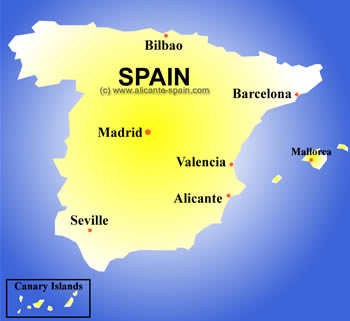 Madrid - Spain on Wednesday marked the fifth anniversary of the Madrid train bombings, the country's biggest terrorist attack, amid complaints by the victims that the authorities had forgotten them.
Victims' representatives said they would have hoped for bigger official acts to commemorate the bombings carried out by Islamist extremists, who killed 191 and injured more than 1,800 people.
Madrid regional Prime Minister Esperanza Aguirre and mayor Alberto Ruiz-Gallardon laid a wreath at a marble slab paying tribute to the victims and rescuers, and parliament observed a minute of silence.
Infrastructure Minister Magdalena Alvarez was to attend a commemorative act at the Atocha railway station, where some of the bombs exploded.
Crown Prince Felipe and his wife Letizia were to attend a commemorative concert in the evening.
"There is no more interest in us," although many of the victims have been economically ruined after sustaining injuries that made them unable to work, Pilar Manjon told the daily El Pais.
Manjon, who lost her son in the attack, heads an association representing the victims of the bombings which occurred on March 11, 2004.
Extremists placed bombs on four commuter trains which exploded almost simultaneously in the Madrid region.
Twenty-one people were sentenced for the attack in October 2007. Fifteen of them remain in prison, with the longest-serving ones due to be released in 2044.
A glass monument commemorating the bombings at the Atocha station is often dirty and looks abandoned, victims' representatives complain.
Prime Minister Jose Luis Rodriguez Zapatero, however, has denied that the victims have been forgotten.
"I want to express my affection and solidarity to the victims, and my hope that a terrorist attack will not occur in Spain ever again," Zapatero said Wednesday.
From 2004 until 2007, Spaniards feared international terrorism more than the militant Basque separatist group ETA, according to polls by the Centre of Sociological Investigations (CIS).
Now, however, Spaniards are again more concerned about ETA, though police firmly believe that the country remains on the hit list of Islamist extremists.
Islamists are believed to have targeted Spain partly over the then conservative government's policy of sending troops to back up the United States in the Iraq conflict.
The Madrid attack is seen as having contributed to the election defeat of the conservatives three days later. New Socialist Prime Minister Zapatero immediately recalled Spanish troops from Iraq.
Three weeks later, seven people suspected of involvement in the bombings blew themselves up in Leganes near Madrid. (dpa)
TopNews Hindi
- FSSAI की शराब कार्रवाई: मैकडॉवेल्स नंबर 1, Old Monk, Antiquity Blue, Royal Challenge पर बैन
- Karuppu, Parasakthi, Thaai Kizhavi, Blast and Kara Among Best Tamil Movies for 2026
- Anupama, YRKKH, Vasudha, Tum Se Tum Tak: सबसे ज़्यादा देखे जाने वाले धारावाहिक
- 2026 FIFA World Cup Current Rankings and Betting Odds for Sports Betting Fans
- JEE Main 2026: Exam Dates, Eligibility, Syllabus जेईई मेन 2026 परीक्षा की तारीखें, योग्यता, सिलेबस

